Understanding Twin-Bed Comfort: A Deep Dive into Sleep Quality with Naturepedic and Sleep and Beyond
Exploring how twin-bed configurations shape sleep outcomes, with practical insights on mattress construction, bedding compatibility, and room setup for two sleepers sharing a single twin footprint.
Published September 30, 2026
Twin beds are not merely two identical sleeping surfaces placed side by side. In a world where sleep science and bedroom ergonomics increasingly intersect, the way two sleepers share a compact footprint matters—from spinal alignment to temperature regulation, from sheet fit to under-bed storage. This article synthesizes contemporary thinking in sleep research with real-world product considerations from trusted brands such as Naturepedic and Sleep and Beyond, while staying faithful to a non-commercial, informational stance. We look at how different mattress constructions perform in a twin-bed setup, what bedding choices maximize comfort, and how room layout and bed height influence overall rest. The aim is clarity, practicality, and an evidence-based approach to twin-bed comfort.
Twin-Bed Configurations: What They Are and Why They Matter
In many households, a twin bed arrangement is driven by space constraints, guest room versatility, or shared sleeping needs. The twin footprint—typically 38 inches wide by 75 inches long in the United States and often corresponding to UK sizing variations—demands careful consideration of how two sleepers will interact with the surface. The bed’s structural foundation, mattress composition, and the surrounding environment all contribute to the perceived comfort of a twin setup.
Sleep quality in a two-person twin arrangement hinges on three core factors: support, temperature regulation, and motion isolation. When two sleepers share a tight space, the movement of one person can influence the other’s ability to fall asleep or remain asleep. The right combination of mattress construction, foundation, and bedding can mitigate disturbance while preserving individualized comfort zones for each sleeper.
In practical terms, this means selecting a mattress that balances contouring support with edge stability, pairing it with a foundation that minimizes motion transfer, and choosing bedding that supports a stable microclimate. A thoughtful setup acknowledges that two people may have different sleep positions, weights, and temperature preferences, and that the goal is a sleep surface that accommodates both without compromising neither’s rest.
Mattress Constructions: Innerspring, Latex, and Memory Foam in Twin Setups
Understanding mattress construction is essential when two sleepers share a twin bed. Each core construction—innerspring, latex, and memory foam—offers distinct advantages and potential drawbacks in a shared configuration.
- Innerspring: Traditional coil-based systems provide robust support and respond well to varied body weights. In a twin-tire setup, zoned or individually wrapped coils can help distribute pressure more evenly and reduce motion transfer compared with traditional bonnell designs. The downside may be a firmer feel or higher edge stiffness, which can influence how two sleepers experience the boundaries of the twin surface.
- Latex: Natural or synthetic latex mattresses offer responsive comfort with strong contouring and durable resilience. Latex tends to exhibit excellent temperature neutrality, particularly in ventilated designs, which is advantageous for couples with different warmth preferences. Latex also generally resists wear well over time, maintaining a consistent feel for both sleepers.
- Memory Foam: Memory foam systems excel at isolating motion and conforming to individual curves. For two sleepers, this can translate to less disturbance when one person shifts positions. However, some memory foam variants can retain heat, potentially creating a comfort mismatch for sleepers with divergent thermal needs unless paired with breathable covers and aerated foams or gel-infused layers.
When evaluating twin-bed options, consider choosing a mattress that offers zone or targeted support, a perimeter that preserves edge usability, and a cover that supports breathability. The goal is a surface that can comfortably accommodate two sleepers without one partner feeling they are “borrowing” space from the other’s personal comfort zone.
Bedding and Sheet Compatibility for Twin Beds
Bedding compatibility is a practical dimension of twin-bed comfort. Fitted sheets must stay secure through the night without wrinkling or becoming dislodged by movement. Deep pockets, strong elastics at the corners, and compatible fabric blends contribute to a stable sleep surface. In twin setups, even small misfits can disrupt a night’s rest for one or both sleepers.
Organic cotton sateen sheets, breathable blends, and moisture-wicking materials can help regulate temperature on a twin bed shared by two sleepers with different preferences. A properly fitting twin flat sheet and properly sized pillowcases complete the ensemble, ensuring both sleepers maintain a tidy and comfortable bed surface throughout the night.
Consider the role of bedding in temperature regulation. In environments where heat builds due to two humans sharing a space, lighter, breathable fabrics and moisture-wicking finishes can prevent overheating. Conversely, in cooler climates, selecting slightly warmer weaves or layered bedding allows each sleeper to adjust without disturbing the other’s comfort.
Twin-Bed Foundations and Frame Considerations
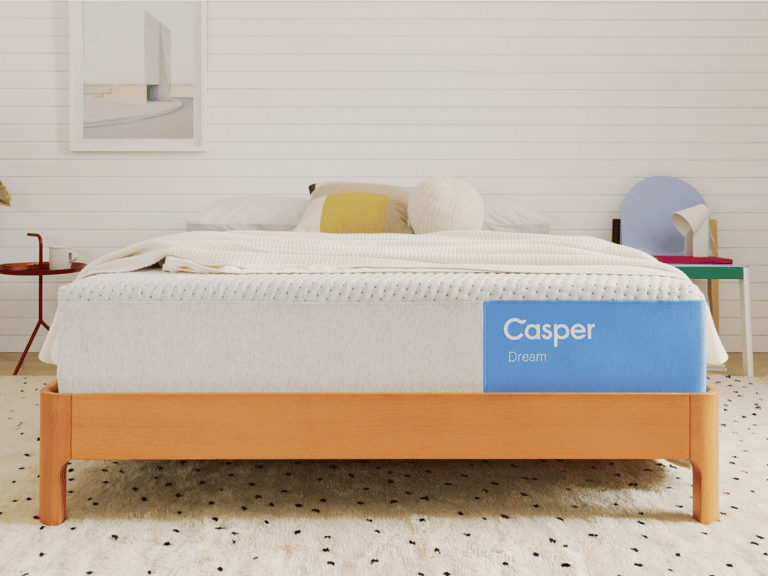
A twin bed’s foundation supports both the mattress and the sleeper’s comfort. For a shared twin arrangement, the frame should provide stable, noise-free support with a level sleep surface. Metal frames and wooden frames, when properly assembled, contribute to a clean, unobtrusive look that complements a range of decors. The Repose Bed Frame, for example, showcases durable construction and careful attention to installation details, illustrating how a frame can offer both aesthetic appeal and practical reliability in a sleep-focused space.
Under-bed storage and bed height are often overlooked yet essential factors in twin-bed comfort. A frame that maintains adequate clearance for under-bed storage can improve room practicality, particularly in smaller bedrooms. A modest elevation also affects the ease of getting in and out of bed, which can influence sleep onset for some sleepers. For two people sharing a twin bed, a balanced bed height helps minimize mutual disruption during night-time movement.
Temperature Regulation, Acoustics, and Sleep Environment
Sleep quality is not determined by the mattress alone. The surrounding environment, including room temperature, noise levels, and lighting, plays a critical role in twin-bed comfort. Temperature regulation benefits from breathable materials, well-ventilated room design, and bedding layers that allow for adjustable warmth without creating temperature disparities between sleepers.
Acoustics influence the ease with which two sleepers can achieve deep, restorative sleep. Soft, sound-dampening materials in the room, paired with a surface that minimizes squeaks or creaks in the bed frame, contribute to a calmer sleep space. The twin-bed arrangement benefits from a calm, quiet environment where both sleepers feel secure and comfortable, free from distracting noises or sudden temperature shifts.
A Closer Look at Naturepedic and Sleep and Beyond in Twin Contexts
Naturepedic is renowned for its emphasis on natural materials and thoughtful design. In a twin-bed context, a Naturepedic mattress can offer a breathable, hypoallergenic surface that aligns with the needs of two sleepers who may have different sensitivities or preferences. Its construction often prioritizes non-toxic materials, which can contribute to a healthier sleep environment for both occupants.
Sleep and Beyond presents a portfolio of pillows, sheets, and toppers that illustrate the interplay between comfort, support, and breathability. When choosing components for a twin-bed arrangement, Sleep and Beyond’s products—such as their organic cotton sateen sheet sets and versatile pillows—can play a pivotal role in creating a well-balanced, comfortable sleep space for two sleepers sharing a single twin footprint. The right combination of mattress and bedding can help each sleeper achieve individualized comfort within a shared surface, reducing the likelihood of sleep disruption caused by incompatible materials or textures.
Room Layout and Ergonomic Tips for Two Sleepers
Room layout matters as much as the bed itself. When two sleepers share a twin space, thoughtful room planning includes door clearance, circulation around the bed, and access to essential items like nightstands and lighting. A twin bed setup benefits from symmetrical nightstands or shared surfaces that keep both sleepers within reach of personal items while maintaining a balanced, uncluttered aesthetic.
Ergonomics extend to bed height, mattress height, and foundation depth. A slightly elevated frame can improve access for both sleepers, particularly if one person has mobility considerations. Adequate clearance around the bed enables easy ingress and egress and reduces accidental bumps during late-night awakenings. Lighting design matters too: individual, dimmable lighting or accessible reading lamps can support both sleepers’ needs without causing mutual disturbance.
Practical Setup: A Step-by-Step Twin-Bed Comfort Plan
- Define the space: Measure the room and confirm the exact twin footprint available. Assess door swing, wardrobe access, and bedside surfaces to ensure comfortable proximity for both sleepers.
- Select the mattress: Choose a mattress construction that balances support and motion isolation for two sleepers. Consider a model with targeted support zones or a hybrid design that blends the benefits of different materials.
- Choose a foundation: Pair the mattress with a compatible foundation or bed frame that minimizes motion transfer and provides a stable sleep surface. A durable, noise-free frame supports long-term comfort.
- Plan bedding: Select breathable, temperature-regulating sheets and layered bedding that accommodate both sleepers’ preferences. Ensure fitted sheets fit snugly, with corner elastics that hold securely.
- Optimize room climate: Balance room temperature with appropriate bedding layers, consider humidity control if needed, and use white noise or soft ambient sounds to promote sleep consistency.
- Arrive at a routine: Develop a shared wind-down routine that encourages both sleepers to adopt consistent bedtimes and pre-sleep practices, enhancing sleep continuity.
Glossary and Resources
This article uses terms commonly encountered in sleep science and bedroom design. Key terms include:
- Motion isolation: A mattress’s ability to limit the transfer of movement from one side of the bed to the other.
- Pressure relief: The ability of a mattress to reduce localized pressure points, supporting comfortable alignment.
- Breathability: The capacity of fabrics or foams to allow air to move through materials, aiding temperature regulation.
- Edge support: The strength of the mattress and frame around the perimeter, affecting usable sleep surface.
- Zoned support: A design feature that provides varying levels of firmness in different areas of the mattress to match body needs.
For readers seeking deeper context, consider consulting peer-reviewed sleep science journals, consumer sleep guides, and reputable design resources that explore mattress construction, bedding materials, and room ergonomics. The aim is to equip readers with a practical, evidence-based framework for optimizing sleep in twin-bed arrangements.
Product Spotlight: Real-World Twin-Bed Foundations
In a modern bedroom, the bed frame and foundation can play a pivotal role in achieving twin-bed comfort. The following real-world example demonstrates how thoughtful product selection aligns with the twin-bed strategy described above, without turning the article into a shopping guide.
Repose Bed Frame by Casper offers durable, sustainably sourced wood and straightforward assembly. While designed to support a variety of mattresses, its emphasis on stability and clean lines makes it a fitting anchor for a twin-bed setup where two sleepers share a single footprint. The frame’s in-home delivery and assembly service reduces logistical friction, supporting a smooth setup process for households seeking reliable, long-lasting sleep surfaces.
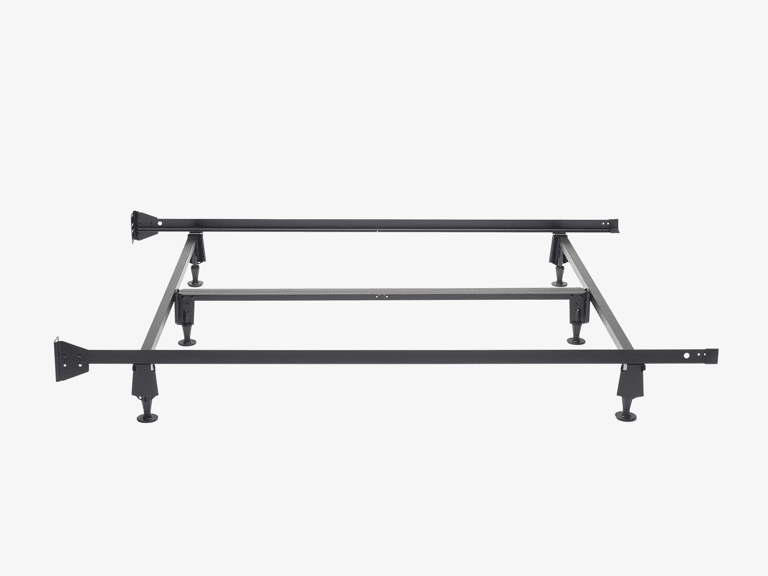
Another practical option is a metal bed frame that emphasizes minimalism and strength. A well-built metal frame—such as those designed from recycled steel—can provide robust support and easy maintenance, contributing to a calm, orderly sleep space that accommodates two sleepers without fuss. When choosing a foundation, prioritize compatibility with the mattress you select and ensure the frame provides uniform support across the entire sleeping surface.
Conclusion: Crafting a Twin-Bed Sleep Space that Works for Two
Two sleepers sharing a single twin footprint is a nuanced challenge that invites a holistic approach. The right mattress construction, paired with a solid foundation and thoughtful bedding, can deliver individualized comfort within a shared space. Temperature regulation, motion isolation, and edge usability all contribute to the daily reality of sleep quality for two people. By attending to room layout, bed height, and practical setup details, households can create a twin-bed environment that looks serene and performs reliably night after night.
The twin-bed approach, when anchored in credible sleep science and grounded in real-world product considerations, offers a path to healthier sleep for two. It’s about balance—between support and give, between warmth and coolness, and between the needs of each sleeper. In the end, the goal is a bed surface that feels like it was designed for two, while preserving the individuality of each sleeper’s rest.
Note: This article references general product characteristics from reputable brands and focuses on non-commercial, information-forward guidance. Any specific product recommendations mentioned are for illustrative purposes within the twin-bed comfort context and do not constitute endorsements.