Bedding · Practical guide
Finding the Right Sheet Fit for an Adjustable Base
An adjustable base changes the shape of the bed throughout the night. That movement puts fitted sheets to a quiet test: can the fabric flex, and can the corners stay anchored? The right fit begins with accurate measurements, but pocket depth, elastic, fabric and care all matter too.
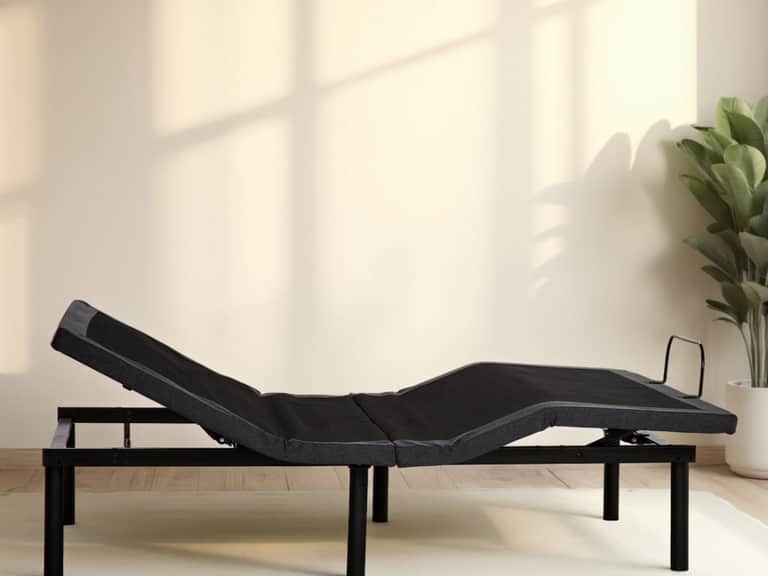
A bed is often treated as a fixed rectangle. An adjustable base disrupts that assumption. Raise the head, lift the foot, or settle into a gentle incline, and the mattress bends with the frame. The fitted sheet has to move along with it—without creeping up a corner, tightening across the surface or bunching beneath the sleeper.
That does not mean adjustable bases require complicated bedding. It does mean that familiar shorthand, such as “deep pocket” or “fits most mattresses,” may not answer the important questions. A sheet must accommodate the mattress’s actual dimensions, including any topper, and its corners need to hold through repeated changes of position. Fabric feel still counts, but a comfortable sheet that will not stay put can become a nightly nuisance.
This guide explains how to assess sheet fit for an adjustable base: what to measure, how to interpret pocket depth, which construction details to look for, and how laundering can alter the fit over time. The aim is not to identify one universally best fabric or sheet. It is to help you understand the moving parts before choosing bedding for your own setup.
Why an adjustable base changes the fit
On a stationary frame, a fitted sheet is stretched over a mattress that remains broadly level. With an adjustable base, the mattress articulates as the support beneath it changes position. The bend may be gradual, but it shifts tension across the surface and around the corners. A sheet that is only just large enough can pull free when the bed rises; one that is excessively loose can wrinkle or migrate when the mattress returns to flat.
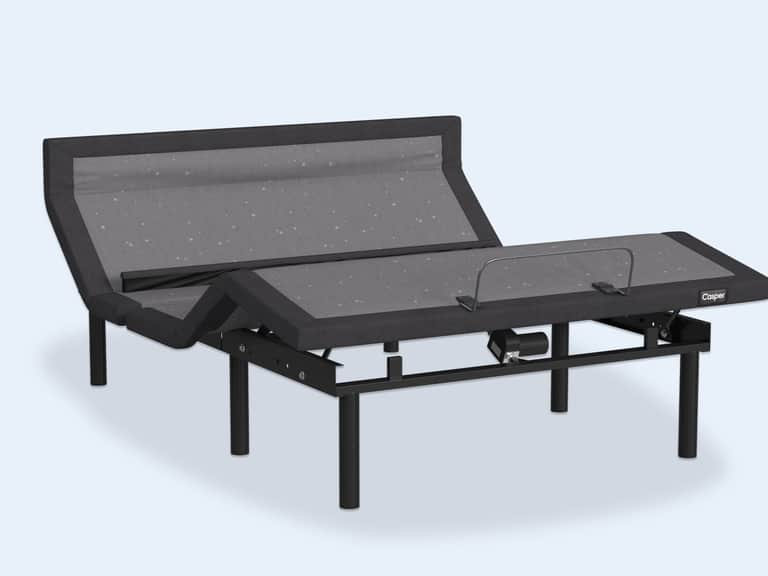
The effect varies by bed. Mattress flexibility, base design, the amount of lift and the presence of a mattress retainer all influence how the bedding moves. A split configuration adds another consideration: two mattress sections may move independently, so each side needs bedding suited to its own dimensions and movement. A standard fitted sheet should not be assumed to work properly across a split setup simply because the overall bed appears to be one size.
Start by checking the base and mattress instructions. Manufacturers may specify compatible mattress types, fitted-sheet guidance or restrictions on accessories. These details are especially useful if a mattress has unusual construction, a substantial topper or a split design. The sheet should fit the mattress, not be stretched tightly around the frame or used to hold the mattress in place.
Measure the whole sleeping surface
Sheet labels are only as useful as the measurements behind them. Before choosing bedding, measure the mattress’s width, length and height. Use a tape measure and keep it level, measuring the mattress itself rather than relying solely on the bed frame’s stated size. Small differences in mattress dimensions can matter when elastic is already under tension.
Measure the mattress at its thickest point, including any topper or other layer that will stay on the bed beneath the sheet. A topper adds height and can change the way the corners sit. If it is removed seasonally or occasionally, note both configurations: a sheet that fits over the full stack may be loose when the topper is absent.
Measure from the bottom edge on one side, up and over the mattress, and down the opposite side. This gives a practical sense of how much fabric must pass around the mattress. Then compare the result with the fitted sheet’s stated pocket depth and, where available, its maximum mattress depth. These figures are not always presented in the same way, so read the packaging or product specifications carefully rather than assuming that “deep pocket” has a consistent meaning.
- Width and length: Confirm the mattress measurements, not just the size name on the label.
- Mattress height: Include built-in pillow tops or other features that add height.
- Topper height: Measure with the topper in place if it will remain under the sheet.
- Fitted-sheet depth: Check the pocket measurement and any stated maximum mattress depth.
- Split sections: Measure each mattress separately where the base has independently moving sides.
Record the measurements. It is easy to remember a bed as “about a standard size” and overlook the extra height contributed by a topper or a thicker mattress. A short note kept with the bedding measurements can make later replacements easier to assess.
Pocket depth: enough room, not a cure-all
Pocket depth describes how much mattress height a fitted sheet is designed to cover. Too little depth can make installation difficult and leave the elastic under strain. The corners may pop off when the base articulates, especially if the sheet is already stretched over a tall mattress and topper. Too much depth, meanwhile, may leave surplus fabric that gathers beneath the mattress edge or loosens as the bed moves.
The goal is a secure fit with enough allowance for the fabric to sit fully beneath the mattress edges. A sheet should not have to be pulled so tightly that its corners barely reach. Nor should a deep pocket be treated as proof of adjustable-base compatibility. It addresses mattress height, not every question of movement, fabric flexibility or corner security.
Product descriptions sometimes give a maximum mattress depth rather than the exact depth of the pocket. Those measurements can be useful, but they do not guarantee that every mattress of that height will fit equally well. A firm, thick mattress may behave differently from a softer or more flexible one, and the shape of a topper can affect how the sheet sits. When dimensions are close to the stated limit, look for clear fit information and check the return or exchange terms before removing packaging.
If the fitted sheet is too shallow, repeatedly stretching it over the mattress is unlikely to solve the problem. That can put extra strain on seams and elastic. If it is much too deep, consider whether the sheet is designed for a taller mattress or a topper. Avoid relying on improvised fasteners unless they are intended for bedding and are safe for the particular mattress and base; loose or poorly placed straps can interfere with movement or create damage.
Elastic and corner construction matter
Elastic is the unseen mechanism that keeps a fitted sheet in place. Some sheets have elastic only at the corners; others have it around the full perimeter. Neither design guarantees a secure fit on every adjustable bed, but continuous elastic may distribute tension more evenly around the mattress edge. Reinforced corners or well-finished seams can also help a sheet withstand regular fitting and removal.
Look for information about the elastic’s placement and the sheet’s construction, but treat those details as part of the picture rather than a promise. An elasticated edge cannot compensate for the wrong mattress dimensions or insufficient pocket depth. Conversely, a correctly sized sheet with sound elastic may work well without elaborate corner accessories.
Once the sheet is on, check that each corner sits flat beneath the mattress and that the fabric is not pulled unusually tight across the top. Raise the head and foot sections gradually while observing the corners. If one lifts, slips or draws sharply across the surface, return the base to flat and reassess the sheet’s dimensions and placement. A simple check at setup can reveal a mismatch before it becomes a recurring irritation.
Fabric flexibility and feel
Fabric affects both comfort and movement. A sheet has to bend with the mattress without feeling rigid or pulling uncomfortably against the sleeper. Cotton, linen and blended fabrics differ in texture, weight, stretch and the way they respond to washing. Even within the same fibre family, weave and finish can change the hand-feel and drape.
Woven cotton sheets are common, but they usually have limited stretch compared with knitted fabrics. A smoother, more flexible fabric may accommodate movement more readily, while a heavier or crisper weave can feel less yielding. Blends that include stretch fibres may adapt more easily to changes in shape, though the exact result depends on construction. For any fabric, the fit of the corners and the mattress dimensions remain central.
Breathability and temperature are personal considerations. Some sleepers prefer a crisp, airy feel; others like a softer, more enveloping surface. A fabric that feels comfortable when the bed is flat should still feel comfortable when the head or foot is raised. Notice whether the sheet becomes taut across the sleeping area or forms folds where the mattress bends. Those changes can affect comfort as much as the fibre label.
Thread count alone is not a reliable guide to adjustable-base suitability. It does not tell you the pocket depth, elastic layout or how the fabric will behave when the bed moves. When comparing sheets, consider the full specification: fibre, weave, fabric weight if provided, dimensions, care instructions and any information about stretch or intended mattress depth.
A practical fit test
After choosing a sheet, test it through the range of positions you commonly use. Begin with the base flat. Fit the sheet without forcing the corners, smooth the surface and check that the seams align reasonably with the mattress corners. Then raise and lower the head and foot in a controlled way, pausing to see whether the sheet remains secure.
Try the positions that matter in everyday use rather than moving the base through every possible setting. If the mattress is split, test each side independently and consider what happens when one side is raised while the other stays flat. The fitted sheet should stay on its own mattress section and should not bridge the gap or impede independent movement.
Look for more than a corner that comes loose. Watch for fabric pulling hard at the foot, a ridge forming beneath the body, or the fitted edge shifting noticeably after repeated adjustment. A sheet that stays on but becomes uncomfortable may still be a poor fit. The goal is a smooth sleeping surface and secure corners without excessive tension.
Quick checklist
- Measure the mattress with any regular topper in place.
- Check the fitted sheet’s width, length and pocket depth.
- Confirm that the corners reach beneath the mattress without force.
- Raise and lower the base to check for slipping, pulling or bunching.
- For split bases, check each side in both shared and independent positions.
- Review care instructions before the first wash.
Laundering can change the fit
A sheet that fits before washing may feel different afterwards. Heat and repeated laundering can affect fibres, dimensions and elastic. The extent depends on the material and the care process. Follow the care label, use the recommended wash temperature and avoid assuming that the highest dryer setting will be harmless. When a fabric is prone to shrinkage, aggressive heat may make a borderline fit worse.
Wash sheets before first use if the care label allows it, then check the fit again. If the sheet becomes noticeably tight or a corner begins to slip after laundering, revisit the measurements and care method. Do not pull a shrunken sheet into place with force; that can strain seams and elastic and may increase the risk of another corner coming loose.
For hygiene, laundering frequency depends on household needs, personal preference and any relevant care advice. The practical point is consistency: cleaning and drying sheets as directed helps preserve their feel and construction. Store them fully dry, and avoid leaving fitted sheets tightly wound around objects in a way that places prolonged stress on the elastic.
Common fit problems—and what they suggest
A corner pops off when the bed rises. Check whether the pocket is deep enough for the mattress and topper together. Confirm the sheet is centred and that the fitted corners are fully beneath the mattress. If the dimensions are correct, the elastic or fabric may not be coping with the movement.
The sheet is difficult to put on. It may be too small, too shallow or intended for different mattress dimensions. Recheck width, length and height. Do not treat repeated stretching as a substitute for a suitable fit.
Fabric gathers beneath the mattress. The pocket may be deeper than necessary, or the sheet may be oversized. Check that all corners are positioned evenly. Excess fabric can shift as the base articulates, even if it initially appears secure.
The surface feels taut in an elevated position. The sheet may be under tension because it is too small, or its fabric may have little give. Test the fit with the base flat and elevated, and consider whether the mattress configuration changes the amount of fabric needed at the corners.
The sheet works on one side of a split base but not the other. Check that each fitted sheet matches the dimensions of its particular mattress. In a split setup, the pieces may differ from a single mattress or from one another. Confirm the base and mattress specifications before assuming that a conventional sheet set is compatible.
Avoiding damage to the bed and bedding
Keep the fitted sheet clear of moving parts, hinges and mechanisms. Bedding should cover the mattress, not bind the base or become trapped in its frame. If the manufacturer provides setup or safety instructions, follow them, particularly where the base has a retainer bar or other bedding-related component. Do not attach sheet fasteners to a moving mechanism or use them in a way that restricts articulation.
When changing sheets, return the base to a flat position if the manufacturer’s instructions allow it. This provides a stable surface and makes it easier to fit corners evenly. Check that bedding is not trapped before operating the base. These small habits protect the fabric and reduce the chance that a fold or loose edge will catch during movement.
A better fit starts with careful information
Choosing fitted sheets for an adjustable base is less about finding a special label and more about matching a few practical details. The mattress must be measured accurately, including any topper. Pocket depth should suit the complete sleeping surface. Elastic and corner construction need to hold without being stretched to their limit, and the fabric should remain comfortable as the bed changes position.
Take measurements before browsing, check specifications rather than relying on broad claims, and test the sheet through the positions you use. If the setup has two independently moving mattresses, assess each side on its own. Finally, follow the care label and check the fit again after washing. The result is not dramatic; ideally, the bedding simply stays where it belongs while the bed does what it was designed to do.
Frequently asked questions
Do adjustable bases need special fitted sheets?
Not necessarily. A standard fitted sheet may work if its dimensions, pocket depth and construction suit the mattress and remain secure as the base moves. Check both the sheet and base guidance rather than relying on the label alone.
How do I know what pocket depth I need?
Measure the mattress height with any topper or layer that will remain beneath the sheet. Compare that measurement with the sheet’s stated pocket depth or maximum mattress depth, allowing enough fabric to tuck securely beneath the edges.
Can a sheet be too deep?
Yes. Excess fabric can loosen, shift or gather beneath the mattress. Aim for a secure fit with enough depth to cover the full mattress stack, not the deepest pocket available by default.
Should I measure with a mattress topper in place?
Yes, if the topper will normally stay on the bed under the sheet. If you sometimes remove it, check whether the sheet remains manageable in both configurations.
What should I do if the sheet slips during adjustment?
Return the base to flat, refit the sheet and check the mattress measurements, pocket depth and corner placement. If it continues to slip, the sheet may not be suited to the mattress’s dimensions or movement. Follow the base manufacturer’s instructions and avoid improvised attachments to moving parts.